
Bladder Difficulties
By Janet Drake Whalen, PT, DPT
Neurogenic Bladder: This refers to urinary conditions in individuals who lack bladder control due to issues with the brain, spinal cord, or nerves. This refers to urinary conditions in individuals who lack bladder control due to issues with the brain, spinal cord, or nerves.
For example, during acute poliomyelitis - a viral infection that targets the spinal cord - the bladder muscle often becomes paralyzed, causing urine retention. While bladder function usually returns after recovery from the acute phase, some individuals might need catheterization, and others might experience long-term weakened bladder contractions.
Menopause: As women transition through menopause; they encounter various symptoms. One common issue is the weakening of bladder and urethral muscles, which can lead to urinary retention or incontinence. Menopause hormone changes affect the elasticity of the vulvar tissues and can weaken the wall of the urethra where urine comes out.
Aging: With age, men and women naturally produce fewer sex hormones, leading to many changes including joint stiffness, muscle weakness, and reduced mobility. These physical changes can make it harder to reach the toilet in time, potentially causing urinary leakage.
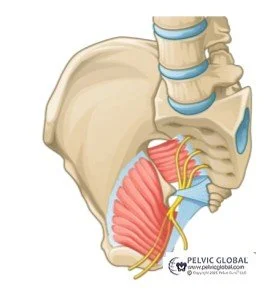
Diagram Notes:
Yellow = nerves, Pink = muscle, Blue = ligaments
Do you have Difficulties with Urinary Control?
Consult with your primary care provider, urologist or pelvic health physical therapist.
Minimize or avoid bladder irritants. Those irritants may include:
Caffeine (coffee, tea, soda)
Alcohol (beer, wine, liquor)
Cigarette smoking
Acidic foods like citrus fruits/juices such as cranberry, orange, vinegar
Tomato based products
Artificial sweeteners
Milk products
Chocolate
Spicy Foods
Vitamins B and C
Recommended substitutions:
Low-acid decaf coffee, Biocoffee, kava, or Teeccino in place of coffee
Non-citrus herbal or cold-brewed teas
Low acid fruits like Pears, Apricots, Papaya, and Watermelon
Darker chocolate (small amount) that will be richer and more satisfying
White chocolate
Stay hydrated:
Urine that is dark is concentrated and can be irritating to the bladder, look for your urine to be clear.
(Note if you are taking medications or supplements the urine color will change)
Avoid constipation:
The muscles around the anus are the same as the muscles around the urethra.
Pushing for a bowel movement strains all the pelvic floor muscles.
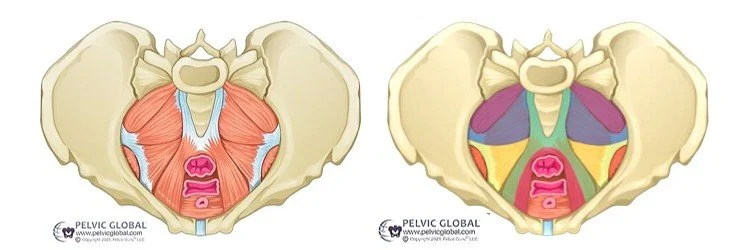
Pelvic floor muscles in females Pelvic floor muscles in males.
If you are having urinary urgency avoid going to the bathroom on the first urge. Breathe and then make your way to the bathroom.
Bladder retraining techniques may be helpful for some people.
Talk to your doctor about pelvic floor awareness and training with a pelvic health physical therapist.