Are We All Type A ?
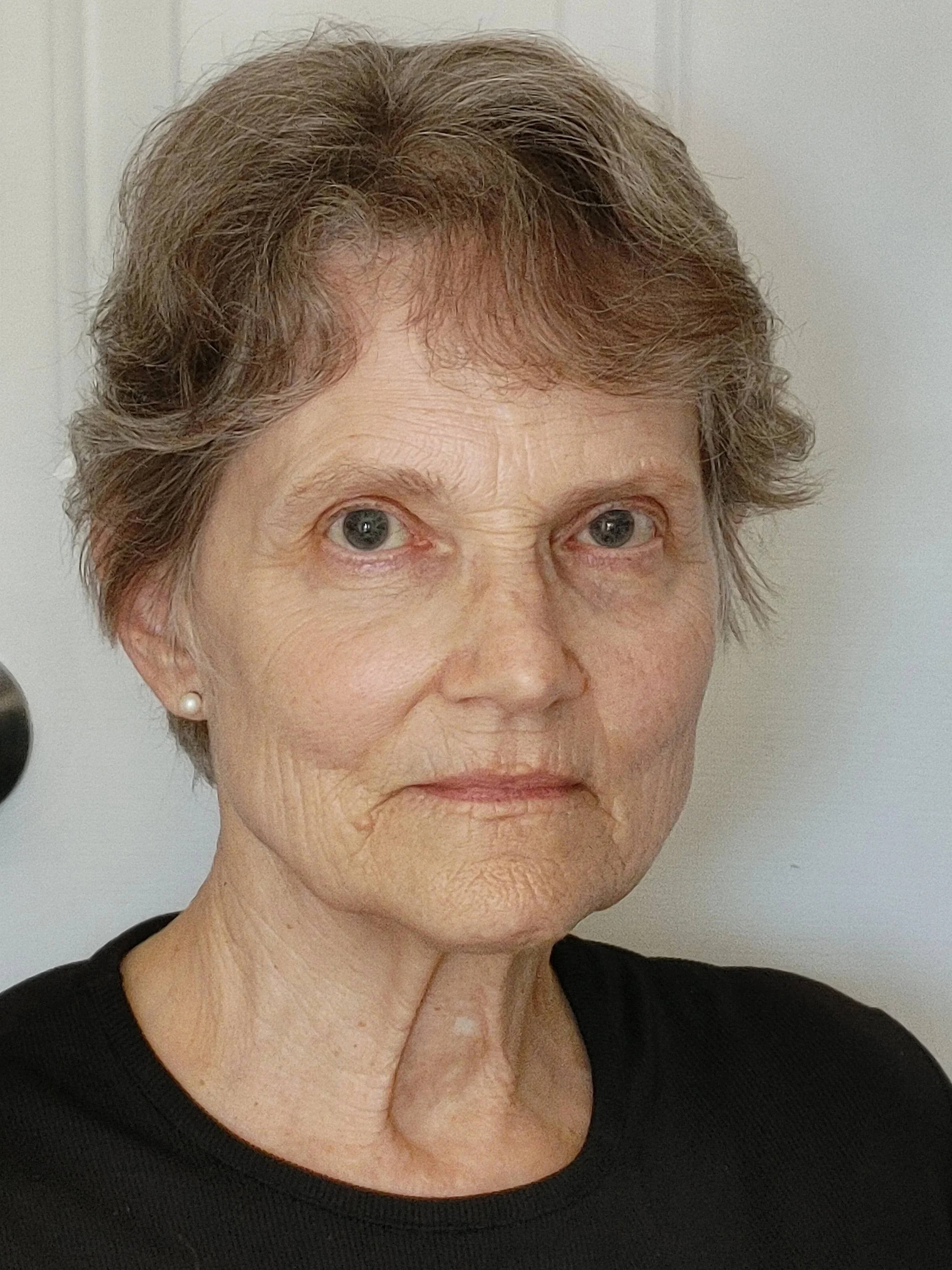
By Laura Vittorioso
Laura Vittorioso
I’ve seen it referenced several times in the Post-Polio Newsletters that Polio survivors exhibit Type A personality. I have even referred to myself as Type A at various times. However, in reviewing the identifying characteristics of Type A personality I am in less agreement. The predominant characteristics of Type A personality are: impatience, competitiveness, hostility and achievement oriented. I would agree with “achievement oriented” regarding myself and many others who survived Polio as evidenced by the many stories of Polio survivors.
As polio survivors, much of our adjustment had to do with the thinking of the day. In the 30s, 40s and 50s the attitudes towards disability were very negative. Disabled people were often “shut-ins” or housed in institutions. We were not readily accepted into main stream society nor was there the expectation that we could be. There was no accessibility or way to navigate the modern world. Therefore, we did have to work harder to manage the inaccessibility and in order to compete for jobs, we had to have an edge; i.e.: special skills (typing, drafting, accounting), a college degree, or an advanced degree. For many of us education was key in order to enter the work force. I remember the therapists, doctors, guidance counselors and my father saying over and over, “You will have to work harder than your peers in order to be accepted into the work place because it is unlikely you will ever marry.”
It would be difficult to put us all in the Type A category as Polio survivors are as diverse as the general population. I work with people who are blind and visually impaired and I see the same over-achievement that we see with Polio survivors. Many achieve great physical challenges such as climbing Mount Everest, walking the Eastern Trail, traveling the world independently, marrying, raising children, etc., etc. I call these folks “super blinks” versus “super crips.”
In my work life I have often felt that if I didn’t show up like my peers, I would be left behind. In order to compete in the world of work we have to be able to carry out the basic job functions and more. Employers used to use the excuse that their worker’s comp insurance would go up by hiring people with disabilities. I remember when I applied for my job as an itinerant service provider it was snowing and there was a light coating on the ground. I was to meet the interviewing person and travel with her to see clients. I was so fearful that the snowy ground would impede my mobility. Thankfully, I made it through the interview challenge without falling. I suspect this aspect of the interview was to see if I could manage the job as a disabled person. The same test was given to me when I applied to college. The person conducting the interview took me on an arduous tour of the campus, up and down many flights of stairs and he was walking quite quickly. He certainly was not slowing down on my behalf. I believe in part this was a test to see if I could manage the inaccessibility.
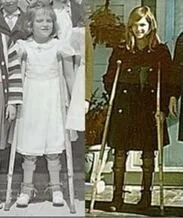
As a woman with a disability, I have always felt that I had to work harder in order to be accepted in the work place as a productive and responsible employee. It was necessary to not let my disability get in the way of productivity, hence the drive and effort we had to have to remain successful in life and work. We cannot discount the ignorance and discrimination against people with disabilities that existed when we were young, and still does to some extent today.
I remember a time when I applied to an ad for a reservation clerk at a hotel. When I showed up for the interview the hotel manager asked me how I would serve the breakfast. I replied, “This task was not listed in the job advertisement.” and he said, “Well it is.” Obviously, I didn’t get the job. At another job interview for a secretary for a lawyer I was asked “How will you type?” I responded, “I don’t need my legs to type.” I didn’t get that job either. I was fired from a job as a medical transcriptionist by the head doctor because, as he said, “You are making the other girls nervous.” When I asked how? He replied, “They are afraid you might fall.” I responded, “I rather doubt I will fall in this environment and if I do, I can get up.” Never- the- less, I was fired on the spot. Fortunately, I was able to gain employment through a state-wide incentive in the early 70s to hire people with disabilities. After being fired by the previous employer and without any income, I was desperate for any kind of work. At the time I was working the grave-yard shift in a components factory. Someone on the line said, “The state is hiring people like you.” I asked, do you mean women? He said, “No, people the way you are.” “Oh, do you mean people who are disabled? He said, “Yes.” Fortunately, that tip got me my first professional, state job which eventually led me to my career working with people who are blind and visually impaired.
These examples of the negative attitudes towards people with disabilities are in part why we have to work so hard to “prove ourselves.” For me a job was an equalizing factor, I felt better about myself as a productive employee and a member of society. I see this among my co-workers in the blindness field who also work hard, gain additional credentials, seldom call out sick, always take on extra assignments, etc. I would say more than a personality type, there are societal issues that have forced those of us with disabilities to work hard, overly hard most of the time to be accepted members of society.
In summary, are we all Type A? I’m not so sure. We have to take into account the discrimination and lack of accessibility that was present when we were growing up and the negative attitudes towards people with disabilities. I do believe as Polio survivors we are: hard-working. We want to be contributing members of society; to have a purpose. A job was an equalizing factor. The difficulties and hardships we experienced growing up with a disability contributed to us being “can-do” and resilient.
Laura Vittorioso, Kennebunk, ME
Laura has contributed many articles to our newsletters. They are easy to find in Survivor Stories. Look for her name in the Index.